
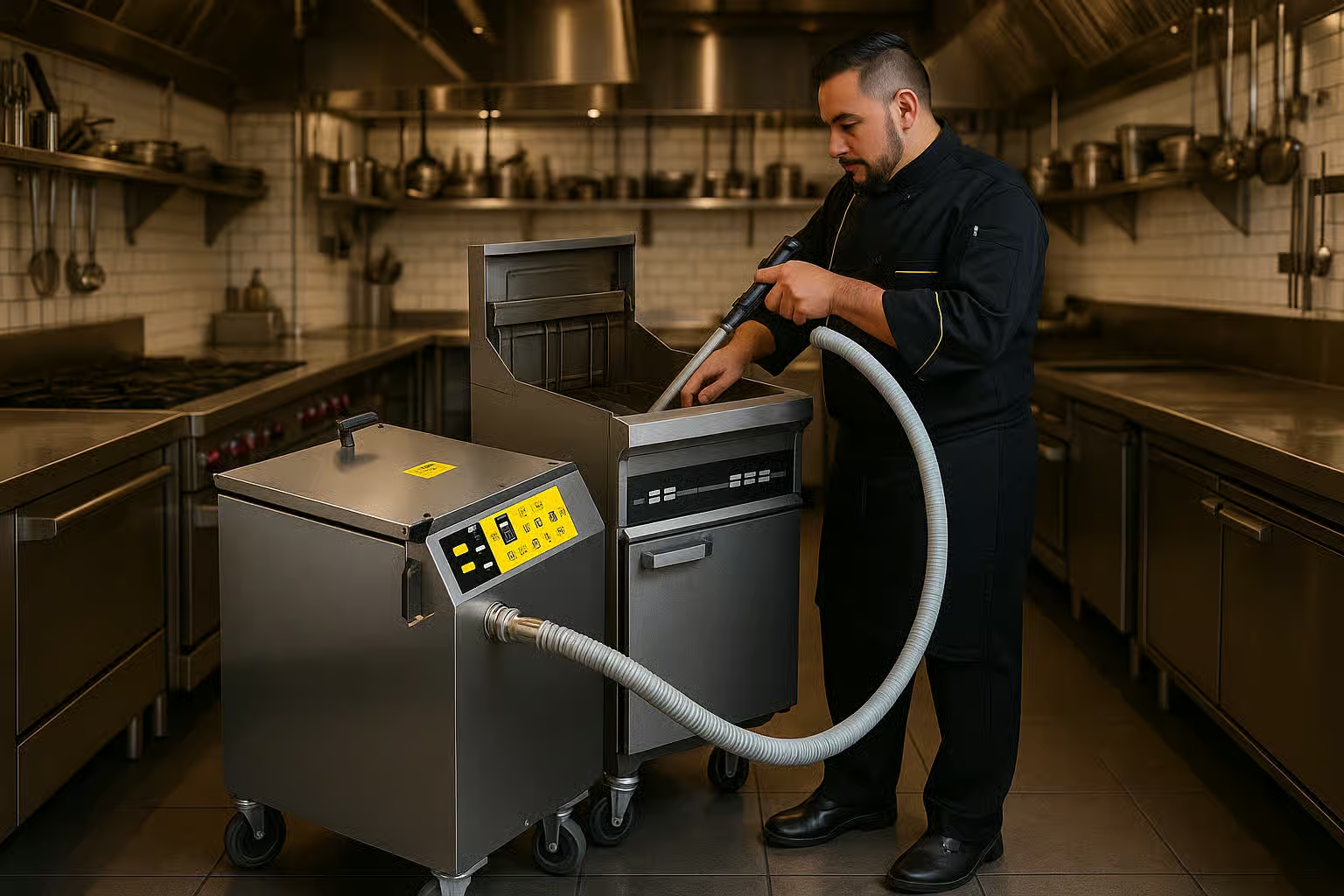
In the competitive landscape of the restaurant industry, maintaining high-quality food while managing costs is a constant challenge. One area where restaurants can significantly reduce expenses without compromising on quality is through the use of oil filtration equipment. This technology offers numerous cost-saving benefits that can enhance operational efficiency and contribute to a healthier bottom line.
Oil filtration equipment plays a crucial role in extending the life of cooking oil used in deep fryers and other culinary applications. By filtering out food particles, carbon deposits, and other impurities, these systems help maintain the quality and clarity of cooking oil for longer periods. This means that restaurants can reduce their frequency of oil changes, leading to substantial savings over time. Considering that cooking oil is one of the more expensive consumables in a kitchen’s inventory, this reduction in usage translates directly into cost savings.
Moreover, using cleaner oil ensures consistent food quality. The taste and appearance of fried foods are significantly influenced by the condition of the frying medium. oil filtration equipment for restaurants helps preserve these attributes by preventing off-flavors or odors from developing due to degraded oils. Consistently high-quality food not only satisfies customers but also minimizes waste caused by rejected or returned dishes.
Another benefit lies in enhanced energy efficiency. Clean oil heats up more quickly and evenly than degraded oil filled with particulates. As a result, fryers operate more efficiently when using filtered oil, reducing energy consumption and lowering utility bills—a significant consideration given rising energy costs.
Additionally, implementing an effective oil management system reduces labor costs associated with cleaning fryers and changing oils frequently. With less frequent need for complete fryer cleanouts or full-scale replacements of used oils, staff can focus on other essential tasks within restaurant operations without sacrificing cleanliness or safety standards.
Furthermore, investing in high-quality filtration equipment contributes positively towards sustainability efforts by decreasing overall waste production associated with discarded oils—an increasingly important factor as consumers become more environmentally conscious about dining choices.
Finally, many modern filtration units are designed with user-friendly features that simplify maintenance processes while ensuring optimal performance levels remain intact throughout prolonged usage cycles; thus providing peace-of-mind knowing investment returns will continue long after initial purchase decisions have been made favorably upon implementation thereof across various establishments nationwide alike!
In conclusion then: adopting advanced technologies such as those found within today’s market-leading range available now provides restaurateurs ample opportunity both save money effectively whilst simultaneously improving product offerings delivered daily patrons alike!